Category: Seafood

  • Shrimp and Sausage Grits

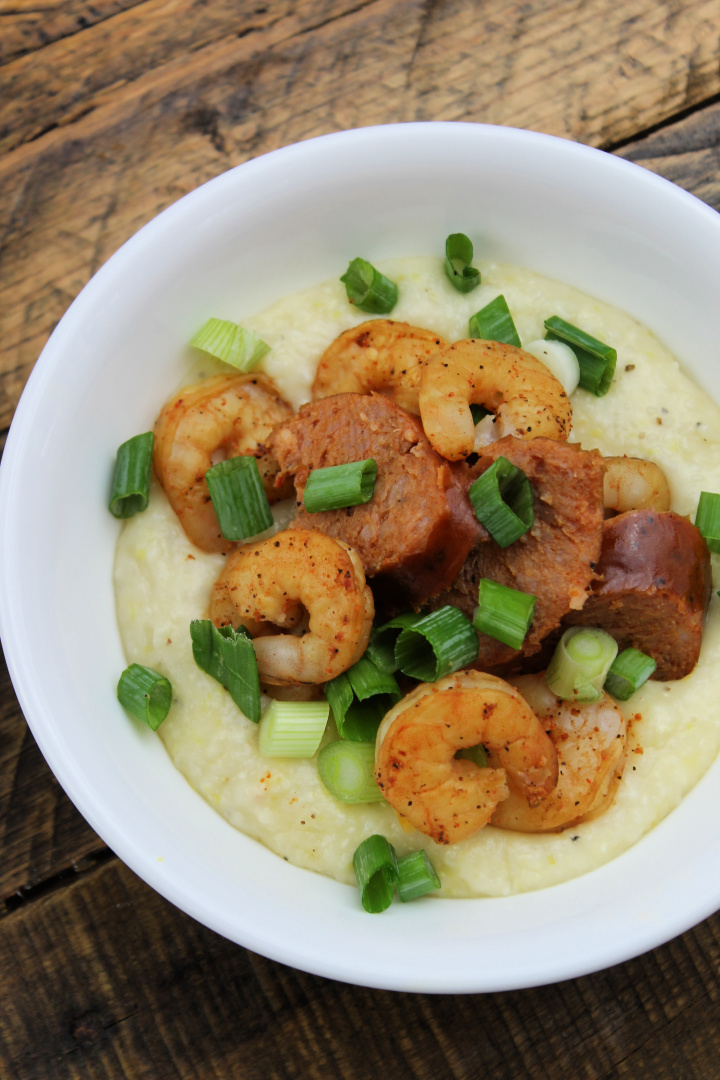
    Shrimp and Sausage Grits

    This Shrimp and Sausage Grits recipe is a very diverse dish that could be eaten for any meal any time of day.

    shrimp and sausage grits

    I did not grow up eating grits.  It was just not something our family ate.  We did eat lots of seafood though, and shrimp was always my favorite.  I loved shrimp cooked lots of different ways… fried shrimp, grilled shrimp, buffalo shrimp, boiled shrimp… well you get the idea!

    When my wife and I moved to South Carolina, we asked around for a restaurant recommendation we ended up finding our favorite spot to go out to eat for the next 3 years! It was a great locally owned restaurant, and my favorite meal at the restaurant was shrimp and grits.  

    Shrimp and Sausage Boil Foil Packets

    Creamy Shrimp Pasta

    Pineapple Shrimp Skewers

    Shrimp and Sausage Gumbo

    Shrimp, Turkey, and Sausage Etouffee

    I tried the dish on a whim, and it did not disappoint.  The grits were so creamy and cheesy.  The shrimp was fresh grilled and the meal was also served with delicious andouille sausage. 

    After many years away from South Carolina shrimp and grits, I decided that I could make my very own shrimp and grits.  I got a recipe from my mother, and I added a few other twists to the recipe to make it my own.

    The other thing about this dish is that while I love shrimp, no one else in my family does.  I wasn’t going to let that fact stop me from making something that I enjoyed, and I wanted the rest of my family to be able to enjoy the creamy grits. So I substituted the shrimp with chicken for my wife and kids. 

    The other thing about this dish is that it can be deconstructed so that you too could add an additional protein like bacon, ham, or fish.  Bottom line, this is a very diverse dish that could be eaten for any meal any time of day.

    Shrimp and Sausage Grits

    Ingredients:

    • ¾ cup old fashioned grits
    • 2 cups chicken broth
    • 2 cups milk
    • 1/3 cup butter (cubed)
    • ½ tsp. ground black pepper
    • ½ tsp. salt
    • 1 cup shredded cheddar cheese
    • 1 horseshoe link of Andouille sausage
    • 24 small shrimp

    Substitutions/Additions:

    • 6 boneless, skinless chicken thighs
    • 4 stalks of green onion
    shrimp and sasuage grits

    Directions:

    In a large pot bring the broth, milk, butter, salt and pepper to a boil.  Once boiling, add the grits, then turn the heat to low and cover for 14 minutes stirring occasionally. 

    Once the grits are thick, turn the heat off, then add the cheddar cheese and mix into the grits well.

    shrimp and sausage grits
    shrimp and grits in pot

    As I mentioned earlier, you can pick any protein you like to go with this dish or with grits in general.  Grits are normally served at breakfast, so these grits could even go with bacon, sausage, or eggs. 

    I fired up my grill for the shrimp and andouille sausage.  I couldn’t find any skewers, so I used marshmallow roasting sticks!  I sprinkled the shrimp with creole seasoning before putting on the grill and then grilled them on both sides for 3-4 minutes each side. 

    shrimp and grits tongs
    cooked shrimp

    For the sausage, I just placed the sausage link on the grill for 10 minutes until it was warmed through and then I sliced it up. 

    sausage cut up into slices
    shrimp and sausage grits

    Finally, I chopped up a few stalks of green onion for garnish and for some bite. 

    shrimp and sausage grits

    I mentioned that I added chicken for my wife, and all I did for that was sprinkle some creole seasoning on the chicken and let the chicken marinate for an hour before cooking. 

    I smoked the chicken thighs at 250 degrees for 45 minutes and made sure the internal temperature of the chicken was 165 degrees.

    Shrimp and Sausage Grits

    Shrimp and Sausage Grits

    Ingredients

    • ¾ cup old fashioned grits
    • 2 cups chicken broth
    • 2 cups milk
    • 1/3 cup butter (cubed)
    • ½ tsp pepper
    • ½ tsp salt
    • 1 cup shredded cheddar cheese
    • 1 horseshoe link of andouille sausage
    • 24 small shrimp

    Instructions

      In a large pot bring the broth, milk, butter, salt and pepper to a boil.  Once boiling, add the grits, then turn the heat to low and cover for 14 minutes stirring occasionally.  Once the grits are thick, turn the heat off, then add the cheddar cheese and mix into the grits well.

      Note: You can pick any protein you like to go with this dish or with grits in general.  Grits are normally served at breakfast, so these grits could even go with bacon, sausage, or eggs. 

      Fire up the grill for the shrimp and andouille sausage.  Use skewers or marshmallow tongs for the shrimp. Sprinkle the shrimp with creole seasoning before putting on the grill and then grill shrimp on both sides for 3-4 minutes each side. 

      For the sausage, place the sausage link on the grill for 10 minutes until it is warmed through and then slice up. 

      Chop up a few stalks of green onion for garnish and for some bite. 

      You may substitute the shrimp for chicken. Sprinkle some creole seasoning on the chicken and let the chicken marinate for an hour before cooking.  Smoke the chicken thighs at 250 degrees for 45 minutes and make sure the internal temperature of the chicken is 165 degrees.

  • Creamy Shrimp Pasta

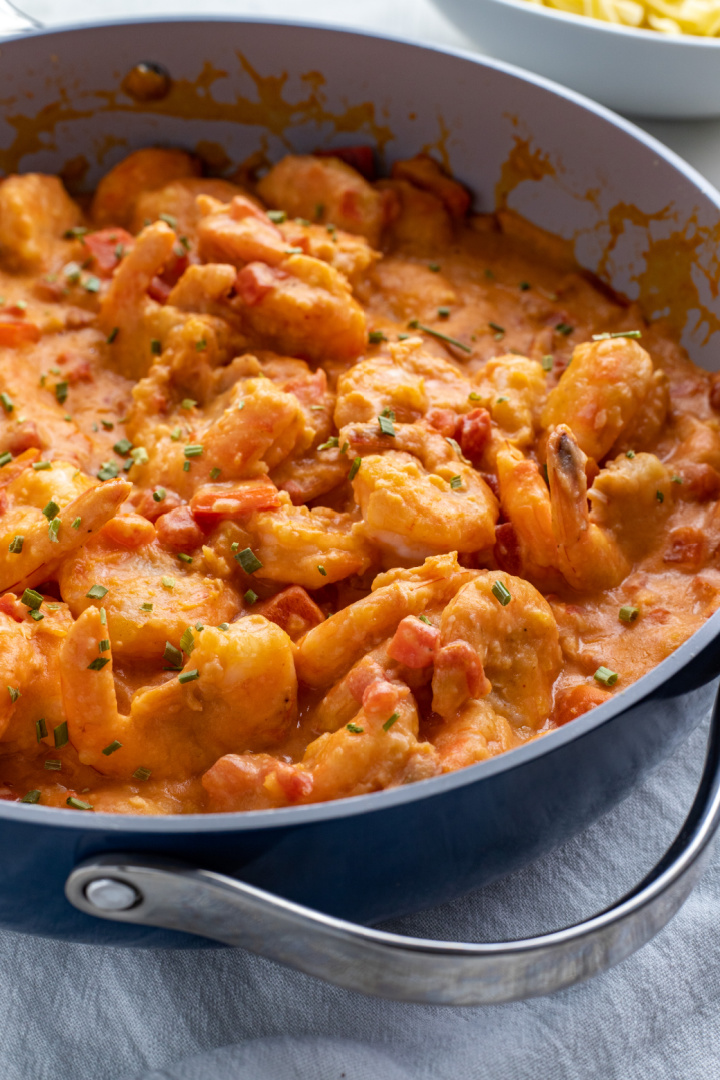
    Creamy Shrimp Pasta

    Combine shrimp and pasta to create this delicious Creamy Shrimp Pasta recipe for dinner this week!

    creamy shrimp pasta

    If you’re in the mood for a dish that combines rich, creamy flavors with a bit of a Southern kick, this Creamy Shrimp Pasta is calling your name.

    This recipe has all the hallmarks of a satisfying Southern meal—simple, hearty, and packed with bold flavors that remind you of home.

    Whether you’re a seasoned cook or just starting, this dish is straightforward to prepare, making it perfect for a weeknight dinner when you want something special but don’t have hours to spend in the kitchen.

    You may also like:

    Why should you make this recipe?

    Well, for one, it’s a fantastic way to enjoy seafood in a way that feels indulgent without being too heavy.

    The Cajun seasoning adds a subtle heat that pairs perfectly with the creamy sauce, making each bite a delightful blend of spice and comfort.

    Plus, shrimp is a great source of protein and cooks up quickly, so you’ll have dinner on the table in no time.

    This dish is perfect for those evenings when you want to treat yourself or your family to something a little more special.

    It’s versatile enough to serve for a casual family dinner or even when you have guests over.

    Pair it with a side of crusty garlic bread to soak up that delicious sauce, and maybe a simple green salad to keep things light.

    A glass of chilled white wine wouldn’t hurt either—it’s all about balance, right?

    This Creamy Shrimp Pasta also travels well, making it a great option for potlucks or bringing along to a friend’s house.

    You can easily reheat it without losing any of its creamy texture or robust flavor.

    So next time you’re wondering what to make for dinner, give this recipe a try.

    It’s got all the comfort of a Southern meal with a touch of elegance that’ll make it a go-to in your kitchen.

    Plus, it’s so delicious, you might just find yourself making it again and again.

    Creamy Shrimp Pasta

    Ingredients:

    • 6 oz. whole grain linguine
    • 1 cup all-purpose flour
    • 1 1/2 tsp. Cajun seasoning
    • 1 lb. large shrimp (peeled and deveined)
    • 2 tbsp. canola oil (divided)
    • 1 cup red bell pepper (chopped)
    • 3/8 tsp. cayenne pepper
    • 5 cloves garlic (minced)
    • 3/4 tsp. kosher salt
    • 2 bay leaves
    • 1 can diced tomatoes (undrained)
    • 1/2 cup half-and-half
    • 1 green onion (sliced)
    • 1 cup parmesan cheese

    Directions:

    Cook pasta according to package directions.

    Drain in a colander over a bowl, reserving 1/3 cup pasta cooking liquid.

    Heat a large skillet over medium-high heat.

    Combine Cajun seasoning, flour, and shrimp in a medium bowl and toss to coat.

    Add 1 tablespoon oil to the pan.

    Add the bell pepper to the pan and cook for 2-3 minutes, until crisp-tender.

    Add shrimp mixture to the pan and cook 2-3 minutes or until shrimp are done.

    Add remaining 1 tablespoon oil to the pan.

    Add cayenne pepper and garlic.

    Add reserved 1/3 cup cooking liquid, salt, bay leaves, and tomatoes, bringing it to a boil.

    Reduce heat, and simmer 5 minutes or until thickened.

    Discard bay leaves.

    Stir in half-and-half.

    Cook 1 minute over medium heat or until thoroughly heated.

    Sprinkle with green pepper and parmesan cheese.

    Creamy Shrimp Pasta

    Creamy Shrimp Pasta

    Ingredients

    • 6 oz whole-grain linguine
    • 1 cup all-purpose flour
    • 1 1/2 tsp Cajun seasoning
    • 1 lb large shrimp (peeled and deveined)
    • 2 tbsp canola oil (divided)
    • 1 cup red bell pepper (chopped)
    • 3/8 tsp cayenne pepper
    • 5 cloves garlic (minced)
    • 3/4 tsp kosher salt
    • 2 bay leaves
    • 1 can diced tomatoes (undrained)
    • 1/2 cup half-and-half
    • 1 green onion (sliced)
    • 1 cup parmesan cheese

    Instructions

    Cook pasta according to package directions.


    Drain in a colander over a bowl, reserving 1/3 cup pasta cooking liquid.


    Heat a large skillet over medium-high heat.


    Combine Cajun seasoning, flour, and shrimp in a medium bowl and toss to coat.


    Add 1 tablespoon oil to the pan.


    Add the bell pepper to the pan and cook for 2-3 minutes, until crisp-tender.


    Add shrimp mixture to the pan and cook 2-3 minutes or until shrimp are done.


    Add remaining 1 tablespoon oil to the pan,


    Add cayenne pepper and garlic.


    Add reserved 1/3 cup cooking liquid, salt, bay leaves, and tomatoes, bringing it to a boil.


    Reduce heat, and simmer 5 minutes or until thickened.


    Discard bay leaves.


    Stir in half-and-half.


    Cook 1 minute over medium heat or until thoroughly heated.


    Sprinkle with green pepper and parmesan cheese.

    Frequently Asked Questions

    What makes this Creamy Shrimp Pasta recipe Southern?

    This recipe combines bold Cajun seasoning with a creamy sauce, which is a hallmark of Southern cooking. The use of fresh shrimp and spices adds that distinct Southern flavor profile that’s both comforting and satisfying.

    Can I use a different type of pasta?

    While linguine works great for this dish, you can substitute it with other pasta types like fettuccine, penne, or even spaghetti. Just be sure to cook the pasta al dente to hold up well in the creamy sauce.

    What can I serve with this Creamy Shrimp Pasta?

    This dish pairs wonderfully with a side of crusty garlic bread, a simple green salad, or roasted vegetables. A glass of white wine also complements the flavors nicely.

    Is this dish spicy?

    The dish has a mild kick from the Cajun seasoning and cayenne pepper, but it’s not overwhelmingly spicy. You can adjust the level of heat by adding more or less cayenne pepper to suit your taste.

    Can I make this recipe ahead of time?

    Yes, you can prepare the sauce and cook the shrimp ahead of time. When ready to serve, simply cook the pasta and toss everything together. If making in advance, store the sauce and shrimp separately in the refrigerator and reheat gently on the stovetop.

    What can I use instead of half-and-half?

    If you don’t have half-and-half, you can substitute it with equal parts heavy cream and milk. This will give you the same creamy consistency for the sauce.

    Can I add other vegetables to this recipe?

    Definitely! Feel free to add vegetables like spinach, mushrooms, or zucchini. Just sauté them along with the bell pepper for extra flavor and nutrition.

    Is this recipe gluten-free?

    To make this recipe gluten-free, use a gluten-free pasta and substitute the all-purpose flour with a gluten-free flour blend for coating the shrimp. Make sure to check the labels on all other ingredients to ensure they are gluten-free.

    How do I store leftovers?

    Store any leftovers in an airtight container in the refrigerator for up to 2 days. Reheat gently on the stovetop or in the microwave, adding a splash of water or cream if the sauce needs to loosen up.

    Can I use frozen shrimp?

    Yes, you can use frozen shrimp, but be sure to thaw them completely before cooking. Pat them dry to remove excess moisture, which will help them cook evenly and prevent the sauce from becoming watery.

  • How to Cook Scallops

    Are you interested in learning how to prepare and cook scallops? Here are my tips for How to Cook Scallops!

    how to cook scallops

    When cooking scallops – as with any form of shellfish – there are two inherent dangers. Firstly, and most importantly, we must make sure that they are fresh and have not “turned.”

    How to Cook Scallops

    Eating shellfish, which has gone bad, can make us very seriously ill or worse. Fresh seafood should smell faintly of the sea, not of what we would associate as fish. Buying from a reputable supplier and eating the scallops on the same day as the purchase is probably the best way in which to tackle this potential problem.

    Tips for Buying Seafood

    The second thing we have to be aware of is that if we overcook the scallops to the slightest extent, they will assume a texture similar to that of rubber and be quite unpalatable. Most of us are familiar with the unpleasant sensation of chewing upon a piece of overly tough steak; with shellfish, the experience is even more unpleasant.

    Bearing the second point particularly in mind, I would recommend that any novice cook – or even anyone cooking scallops for the first time – prepare them in a fashion where the cooking time is definable.

    By that, I mean by a method where there is no discretionary judgment required as to when they are ready. A specific occurrence should tell us when the cooking time is over.

    The way in which I cook them within the above parameters is by poaching them in milk. Simply put the scallops into a pan and add enough cold milk to ensure they are all covered. Put the pan on to the stove or hob, over medium heat. As soon as the milk reaches a gentle simmer, the scallops are cooked and may be drained and served.

    Try using a little of the warm milk to make creamy mashed potatoes as a subtly flavored bed upon which to serve the shellfish. It is also, of course, an option to add some fresh herbs to the milk in which you will poach the scallops but be very careful not to add anything which will overpower the extremely delicate, sweet flavor of your main ingredient! Try instead adding a little dill to the mash only.

    If we are considering searing scallops, the best way to do this is on a smoking hot griddle pan. Gently place the scallops onto the pan and cook for twenty to thirty seconds before turning them over to cook on the other side for a similar period of time.

    This method gives them an attractive, almost rustic appearance but also naturally carries a far greater risk of cooking them for too long. Fresh scallops are expensive enough without wasting any in preparation. Try serving them on a bed of fresh green salad leaves, perhaps with a very little and subtle herb and extra virgin olive oil dressing.

    In conclusion, there is always a difference of opinion as to whether the coral should be eaten as part of the scallop or discarded. The “coral” is basically the orange “tail” attached to the circular main body of the shellfish.

    I do eat it, as although it is not quite so flavorsome as the scallop itself, it is far from unpleasant and offers a little bit of variety in the overall eating experience.

    How to Cook Oysters

    How to Cook Clams

    How to Cook Mussels

    Easiest Way to Open Oysters

    How to Butterfly A Lobster Tail

  • How to Cook Oysters

    Oysters, like any other mollusk, can be cooked in a variety of ways depending on how you like to eat them. In general, you don’t have to fear cooking and eating oysters. If cooked properly, oysters can be the stars of delicious dishes and meals. Here are some suggestions and tips on how to cook oysters.

    how to cook oysters

    How to Cook Oysters

    Fried oysters

    In order to fry the oysters, you will need to shuck them. It is a bit laborious to shuck oysters, especially if you have not cooked the oysters yet. Wear thick gloves, oven mitts, or put any cloth over and around your hands to protect them from the oyster shells and from the knife. Here are a few oyster shucking knife sets with gloves available for purchase.

    Easiest Way to Open Oysters

    How to Shuck an Oyster with a Butter Knife

    Shuck the oyster by running the tip of the knife along with the opening. Using a blunt knife like a butter knife is possible, especially since you will want to twist the knife in order to pry the shell open. Make sure that you have a good grip on the oyster and that you twist the knife slowly. 

    Once you have all of the oysters out of their shells, you can start frying them. You have some options for the coating. You can use regular flour, panko (or Japanese breadcrumbs), Italian breadcrumbs, homemade breadcrumbs, or cornstarch. You may use egg in order to make the coating thicker, but it is not necessary. A light coating of these dry ingredients will result in a “lighter” oyster snack.

    Add some salt and pepper to the flour or breadcrumbs or cornstarch if they are not seasoned already. Then, dredge each oyster and fry in hot oil for a minute or two or until the coating is cooked and the outside is golden brown. Do not cook for longer than is necessary. If you used oil that was 400 degrees F, a minute or two of frying is enough to completely cook the oysters.

    Grilled oysters

    This is perhaps an easier way of serving oysters. They cook in their own juices, and you can shuck them once the oysters are cooked (which makes shucking easier!). Prepare your grill. Using charcoal is a great idea because it imparts a nice smoky flavor to the oysters. Once your grill is hot, place the oysters onto the grill.

    Grill for about 8 minutes or slightly longer until the oysters begin to pop open slightly. Think of this process as similar to cooking clams. Shuck the oysters and enjoy with fresh-squeezed lime or lemon juice.

    Does Cooking Oysters Destroy the Zinc

    According to CarolinaCoastline.com, “most people can get enough zinc from food. Cooked oysters are an excellent source of zinc with fifty-two milligrams in three ounces.”

    How to Cook Scallops

    How to Cook Clams

    How to Cook Mussels

    How to Butterfly a Lobster Tail

    Tips for Buying Seafood

  • How to Cook Clams

    Clams are a wonderful, tasty food that is relatively easy to prepare. Read my tips for How to Cook Clams.

    How to Cook Clams

    There is nothing like a bunch of steamed clams to liven up a meal, whether it is an outdoor barbecue or dining inside. So what is the best way to prepare clams for cooking?

    How to Cook Clams

    First and foremost, it’s important to understand that clams live on the sandy ocean bottom, and in order to get the nutrients to live, clams ingest an awful lot of sand!

    Getting rid of that sand and dirt is rather easy, as long as you know how to do it. The first fact to consider is to buy clams that smell fresh; in other words, they should smell as fresh like the ocean.

    If there is a musty or funky smell to them, don’t buy them! Any “off” smell means that they’ve been sitting in the store too long, and you can run the risk of getting sick eating old shellfish.

    Assuming you have a fresh batch of clams from the store, the next step is the preparation for cooking. The best way to get rid of the dirt and sand the clams have ingested is to soak them in saltwater with cornmeal.

    What happens is that the clams ingest the cornmeal and excrete the sand. This process can take a few hours, but it really makes for a tasty clam dish, as nobody enjoys eating sand!

    Steamed Clams

    There are many ways to eat clams, but we’ll focus on steamed clams here. Once the clams have been soaked in the saltwater, they are ready for the pot. Depending upon how many clams you’ve purchased, get the right sized pot for the cooking process.

    Bring the water in the pot up to a full boil. It’s not necessary to add salt, as there is plenty of salt within the clams already.

    Place all of the clams into the boiling water, with the lid on. The boiling process should take at least ten or fifteen minutes to be completed. After that period of time, all of the clams should be open.

    In other words, their shells should open a quarter or halfway, and if they aren’t, throw those clams away! You can get very sick from eating tainted clams! Seafood poisoning is no joke.

    How to Cook Meat Safely

    Most steamed clam dishes are served with lemon and butter. Once the clams are cooled down, just separate the shells, grab them by the neck, and remove the clear membrane.

    Dip them in butter with a bit of lemon if you wish and enjoy!

    Read more helpful tips:

    How to Cook Oysters

    How to Cook Mussels

    How to Cook Scallops

    Easiest Way to Open Oysters

    How to Butterfly A Lobster Tail

    Tips for Buying Seafood