
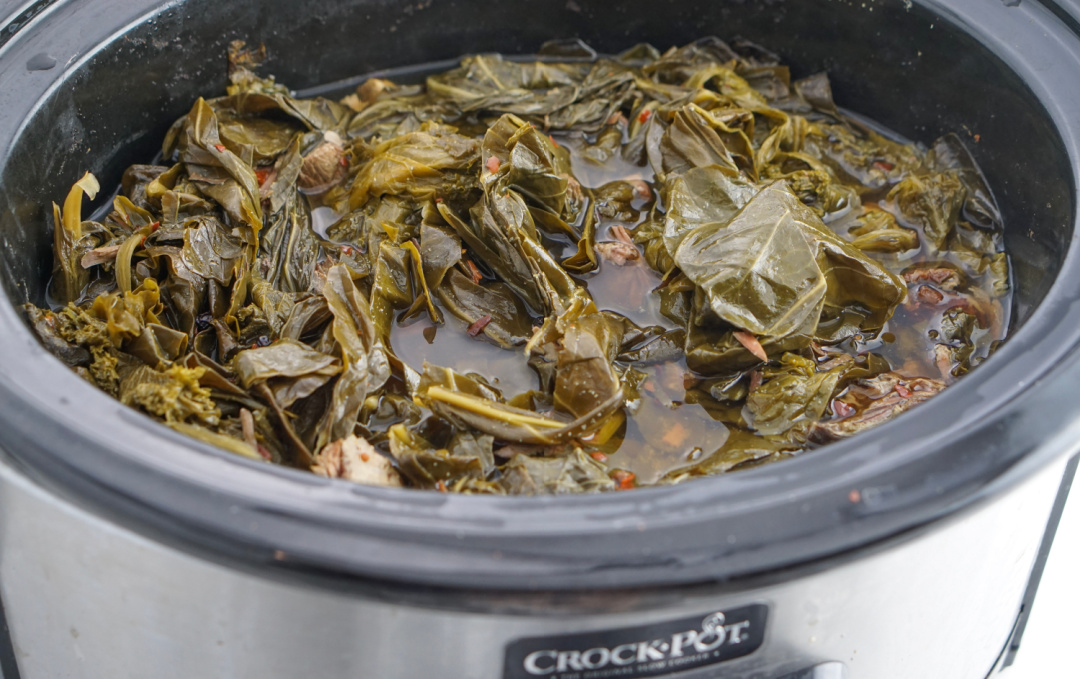
Slow cooker collard greens are one of those Southern staples that never go out of style.
When cooked low and slow, collard greens turn tender, flavorful, and rich in a way that stovetop methods just can’t match.
This slow cooker version delivers deep, smoky flavor with minimal effort, making it perfect for busy weeknights, Sunday dinners, and holiday meals alike.
Using a slow cooker allows the greens to simmer gently for hours, soaking up seasoning and smoked meat flavor while breaking down tough fibers.
The result is a pot of Southern-style collard greens that are soft, savory, and full of classic comfort food appeal.
If you’re looking for an easy way to make collard greens that taste like they’ve been cooking all day — because they have — this method is hard to beat.
You may also like:
Why Slow Cooker Collard Greens Work So Well
Collard greens are naturally sturdy, which makes them ideal for slow cooking. Instead of rushing the process, the slow cooker gives the greens time to soften properly while developing layers of flavor.
Slow cooking also helps:
- Break down tough leaves and stems
- Allow smoked meat to season the greens throughout
- Create a rich, flavorful pot liquor
- Reduce hands-on cooking time
This method is especially popular in Southern cooking because it mirrors traditional long-simmered greens without needing constant attention.
A Southern Classic Made Easy
In Southern kitchens, collard greens are often cooked with smoked turkey, ham hocks, or bacon for added depth.
A touch of acidity helps balance bitterness, while a small amount of sweetness rounds out the flavor.
The slow cooker brings all of this together effortlessly.
Once everything is added, the greens cook gently for hours, making this an excellent option when you need a reliable side dish that won’t take over your day.
These slow cooker collard greens pair well with:
- Cornbread
- Fried chicken
- Pork chops
- Black-eyed peas
- Baked or smothered meats
They’re just as welcome at a holiday table as they are alongside a simple weeknight dinner.
Do You Have to Soak Collard Greens Before Cooking?
No, collard greens do not need to be soaked before cooking. However, soaking them briefly in water can help loosen dirt and grit that may be trapped in the leaves.
For best results:
- Wash greens thoroughly
- Remove tough stems and ribs
- Rinse well before adding them to the slow cooker
This step improves texture and flavor without adding extra work.
How to Reduce Bitterness in Collard Greens
Collard greens naturally have a slightly bitter edge, but slow cooking helps mellow that flavor. A few additional techniques can make a noticeable difference.
Ways to reduce bitterness include:
- Cooking the greens long enough for the fibers to soften
- Removing thick stems before cooking
- Adding acidity such as vinegar
- Balancing flavors with a small amount of sweetness
When done properly, slow cooker collard greens taste savory and well-rounded, not bitter.
Why Vinegar Is Added to Collard Greens
Vinegar plays an important role in Southern collard greens. It brightens the flavor, balances bitterness, and helps tenderize the greens during long cooking.
Apple cider vinegar is commonly used because it adds mild acidity without overpowering the dish.
The result is a cleaner, more balanced flavor that enhances the smoky richness of the greens.
How to Make Collard Greens Extra Tender
Tender collard greens come down to time, preparation, and balance.
To achieve the best texture:
- Chop greens into manageable pieces
- Cook them low and slow
- Include a bit of fat from smoked meat or oil
- Add acidity during cooking
The slow cooker does most of the work here, creating soft, silky greens that hold their shape without becoming mushy.
Make-Ahead, Storage, and Reheating Tips
Slow cooker collard greens are even better the next day, making them ideal for meal prep and leftovers.
- Store leftovers in an airtight container in the refrigerator
- Reheat gently on the stovetop or in the microwave
- Add a splash of broth if needed to loosen the greens
Because the flavors deepen over time, these greens are a great option for holidays or gatherings when you want to prep ahead.
Final Thoughts
Slow cooker collard greens are a dependable Southern side dish that delivers big flavor with minimal effort.
Whether you’re cooking for family, planning a holiday meal, or just craving classic comfort food, this method produces tender, well-seasoned greens every time.
Once you try collard greens in the slow cooker, it’s hard to go back.
Slow Cooker Collard Greens
Ingredients:
- 2 large bunches collard greens
- 2 bunches mustard greens
- 1 smoked turkey leg (cut into pieces), or ham hock
- Optional: 1 package bacon, cooked and chopped into pieces
- 3 cups chicken broth
- 2 tbsp. apple cider vinegar
- 2 tsp. brown sugar
- Dash of soy sauce
- 1 tsp. crushed red pepper flakes
- ½ tsp. peppercorns
Directions:
Wash greens well.
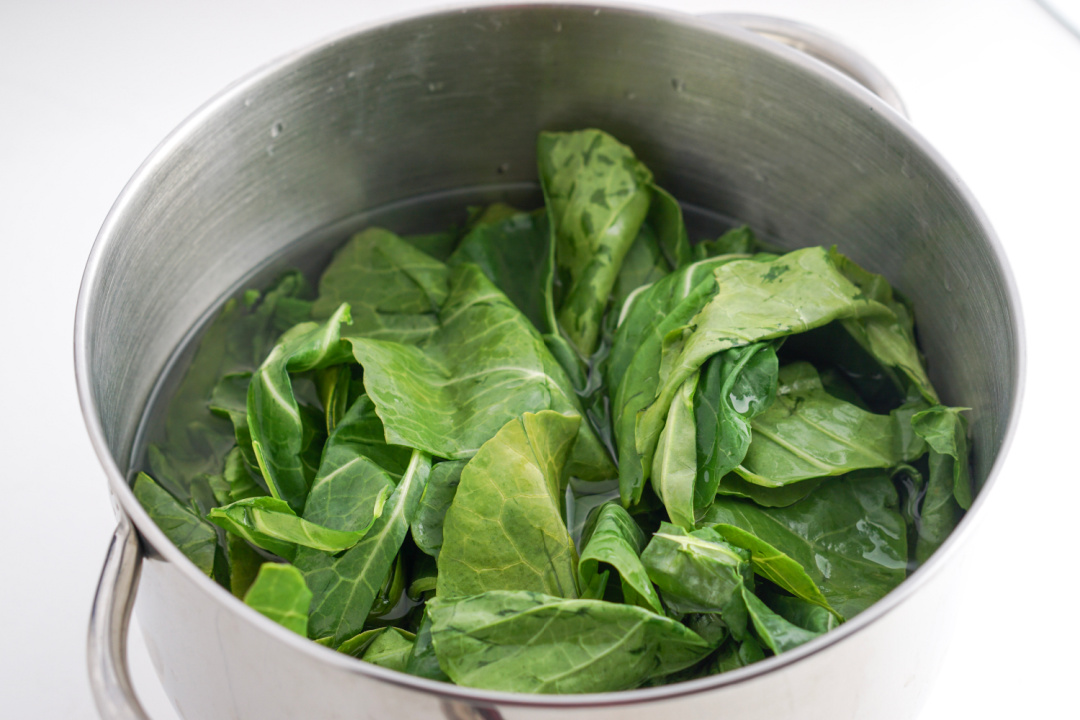
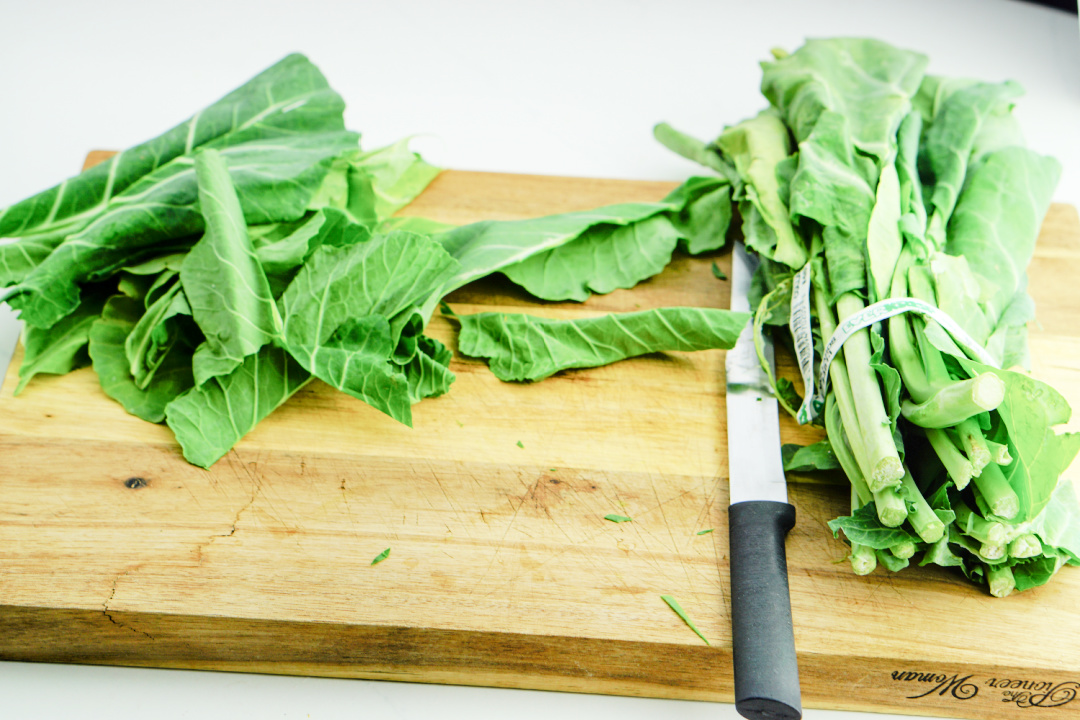
Remove ribs and stems from collards (discard them). Tear or cut the greens into smaller pieces.
Add all ingredients to the slow cooker and stir them up.
Cook on low 8-10 hours or until tender, or on high for 4-6.
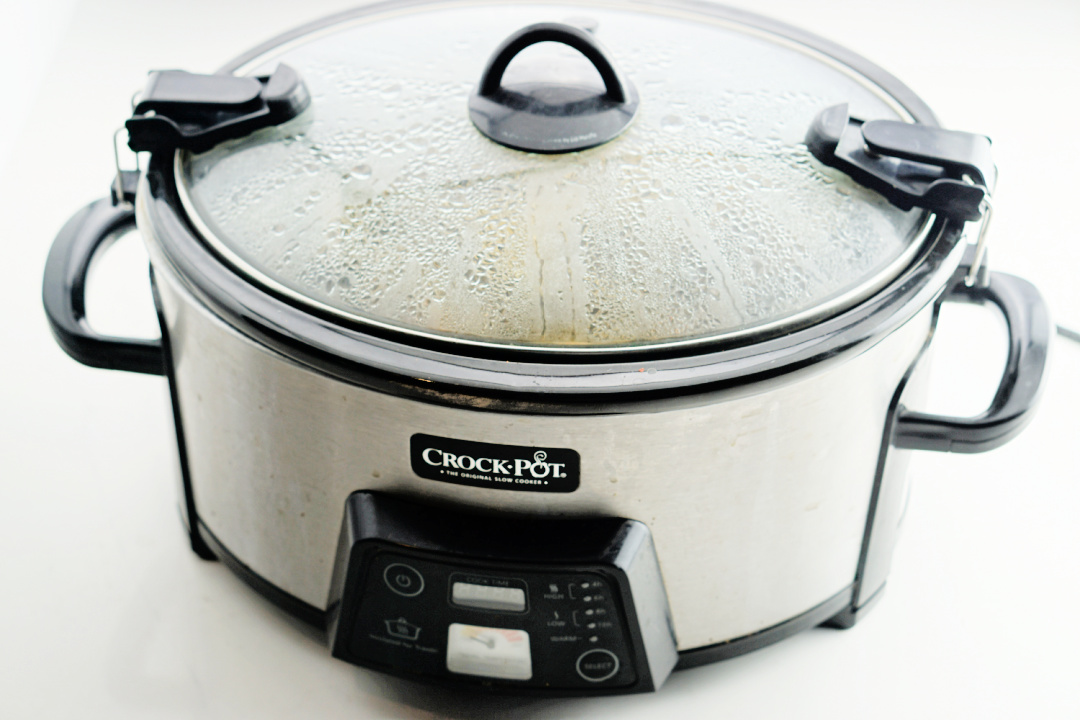
If you used a cut up turkey leg, your greens are ready now.
If you used a ham hock, remove it and shred the meat, and add it back to the greens and stir.
Serve with broth from the slow cooker.
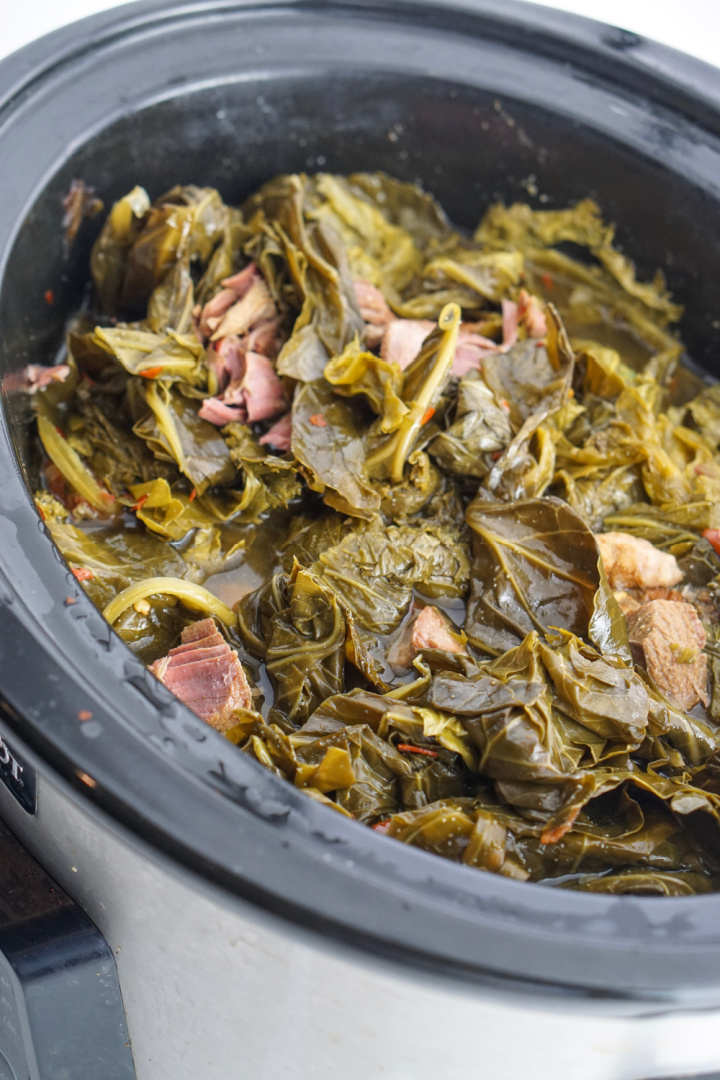
Slow Cooker Collard Greens
Ingredients
- 2 large bunches collard greens
- 2 bunches mustard greens
- 1 smoked turkey leg (cut into pieces), or ham hock
- Optional: 1 package bacon, cooked and chopped into pieces
- 3 cups chicken broth
- 2 tsp. apple cider vinegar
- 2 tsp. Brown sugar
- Dash of soy sauce
- 1 tsp. Crushed red pepper flakes
- ½ tsp. peppercorns
Instructions
Wash greens well, remove ribs and stems from collards (discard them). Tear or cut the greens into smaller pieces.
Add all ingredients to the slow cooker and stir them up.
Cook on low 8-10 hours or until tender, or on high for 4-6.
If you used a cut up turkey leg, your greens are ready now.
If you used a ham hock, remove it and shred the meat, and add it back to the greens and stir.
Serve with broth from the slow cooker.